Kaalsarp Dosha Pooja Services for Ancestors
Kaalsarp Dosha Pooja is a specific Hindu ritual performed to mitigate the negative effects of Kaalsarp Dosha (also spelled Kaal Sarp Dosh) in one's horoscope. Kaalsarp Dosha is believed to occur when all the planets in an individual's natal chart are positioned between Rahu and Ketu, the lunar nodes. This alignment is thought to bring various challenges and obstacles in life, such as health issues, financial difficulties, career setbacks, and personal strife.
-
Components of Kaalsarp Dosha Pooja
Ganesh Puja: The pooja begins with the worship of Lord Ganesha, the remover of obstacles. This step is to seek Lord Ganesha’s blessings for the successful completion of the pooja.
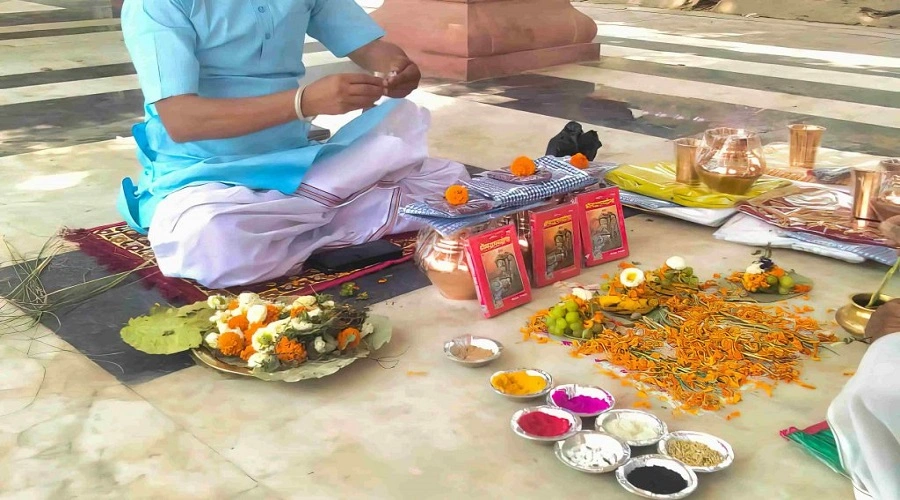
Kalash Sthapana and Navagraha Puja: Setting up a sacred pot (Kalash) and performing rituals to honor the nine planets (Navagraha). This ensures the balance and harmony of planetary influences.
Rahul and Ketu Puja: Specific rituals are performed to appease Rahu and Ketu. To reduce their malefic effects and seek their blessings. .
Sarpa Puja: Worshipping the serpent deities, often involving offerings to a silver or copper idol of a snake. To appease the serpent gods and mitigate the negative influence of the dosha.
Maha Mrityunjaya Mantra Jaap: Chanting the Maha Mrityunjaya Mantra to seek the blessings of Lord Shiva. To invoke protection and healing.
Havan (Fire Ritual): A sacred fire ritual where various offerings are made into the fire. To purify the environment and invoke divine blessings.
-
Purpose and Significance of Kaalsarp Dosha Pooja :
Mitigating Negative Effects: The primary purpose of the pooja is to reduce the malefic effects of Kaalsarp Dosha and bring relief from the associated challenges.
Promoting Peace and Prosperity: Performing the pooja is believed to bring peace, prosperity, and stability to the individual's life.
Spiritual Benefits: The ritual aims to appease Rahu and Ketu, seeking their blessings and ensuring the smooth flow of positive energies.
-
Locations for Performing Tirpindi Shradh
Varanasi (Kashi): Known for its sacred ghats and temples, it is a prominent place for conducting this ritual.
Gaya: Famous for the Vishnupad Temple, it is one of the most important sites for performing Shradh and Pind Daan.
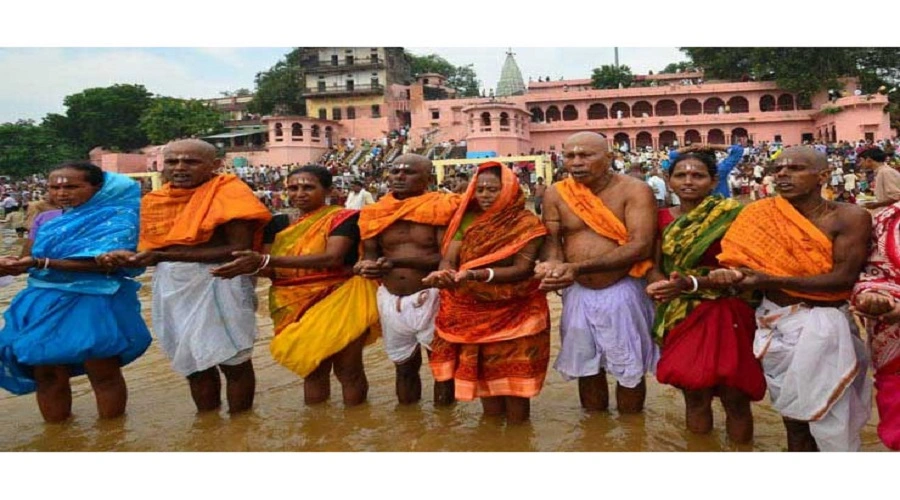
Prayagraj (Allahabad): The confluence of the Ganges, Yamuna, and Saraswati rivers makes it a significant place for performing ancestral rituals.
-
Procedure for Kaalsarp Dosha Pooja
Consult an Astrologer: Confirm the presence of Kaalsarp Dosha in your horoscope through a qualified astrologer.
Engage a Priest: Consult and engage a knowledgeable priest who specializes in performing Kaalsarp Dosha Pooja.
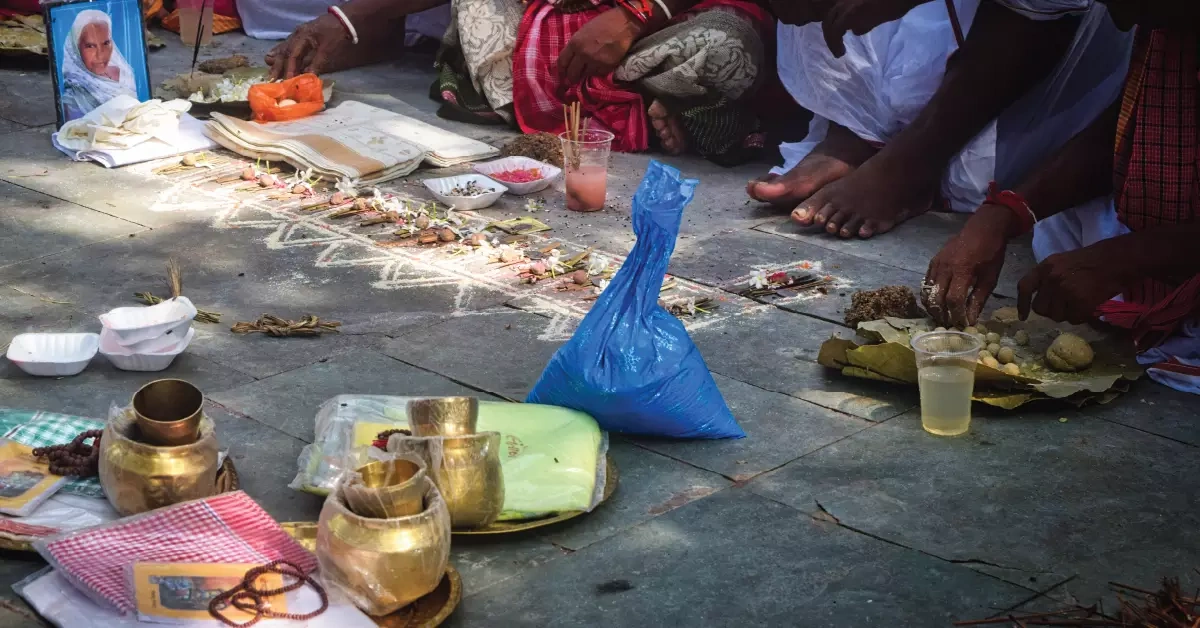
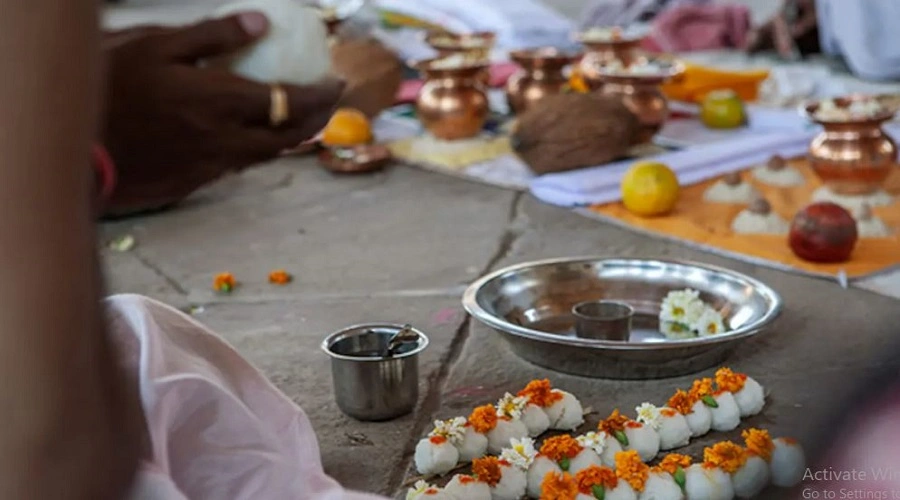
Gather Ritual Materials: Collect necessary materials like flowers, fruits, milk, ghee, honey, silver or copper snake idols, and other puja items.
Choose an Auspicious Date: The pooja is often performed on auspicious days such as Amavasya (New Moon), Panchami (the fifth day of the lunar fortnight), or during the Hindu months of Shravan or Kartik.
Perform the Rituals: Follow the priest’s guidance to perform the rituals accurately, which typically take place in a temple or by a holy river.
Participate Devoutly: Actively participate in the pooja with faith and devotion.
-
Benefits of Kaalsarp Dosha Pooja
Relief from Obstacles: Helps in reducing obstacles and difficulties in personal and professional life.
Health and Well-being: Promotes good health and mental peace.
Financial Stability: Aims to bring financial stability and prosperity.
Overall Harmony: Enhances overall harmony and positive energies in life.
-
Conclusion
Kaalsarp Dosha Pooja is a significant ritual in Hindu tradition aimed at mitigating the negative effects of Kaalsarp Dosha in one's horoscope. Performing this pooja with devotion and proper guidance can bring numerous benefits, including relief from obstacles, better health, financial stability, and overall well-being. It serves as a means to seek the blessings of Rahu, Ketu, and other deities, ensuring a harmonious and prosperous life.