Types of Shradh or death anniversary rituals in Hindu Religion in India
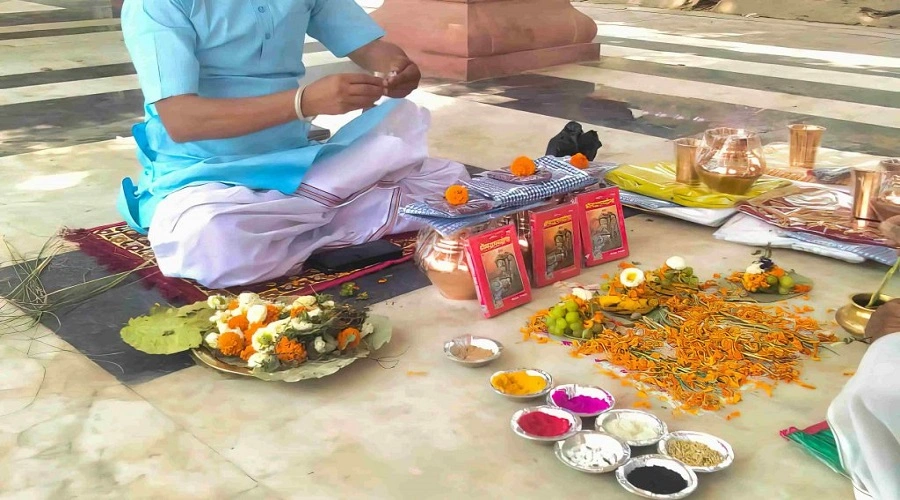
Among Hindus, Shradh rituals vary based on regional customs, family traditions, and specific beliefs. Here are some common types of Shradh observed among Hindus:
-
Pitru Paksha Shradh:
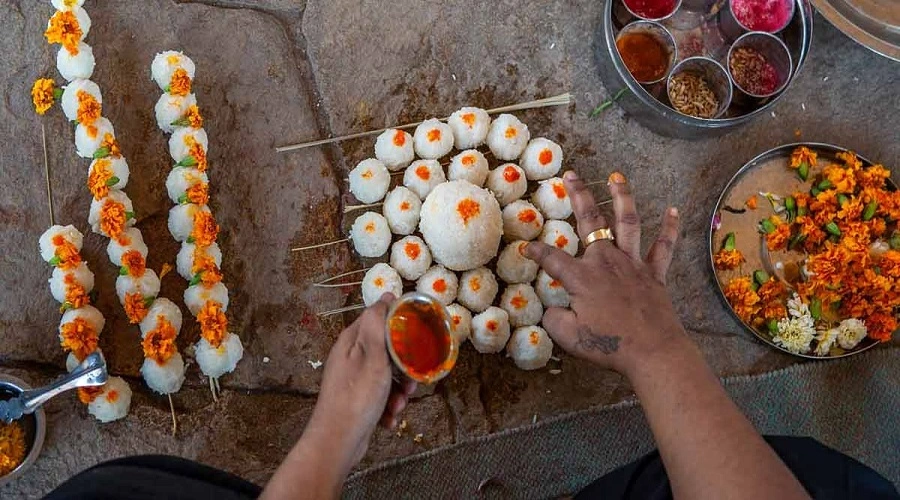
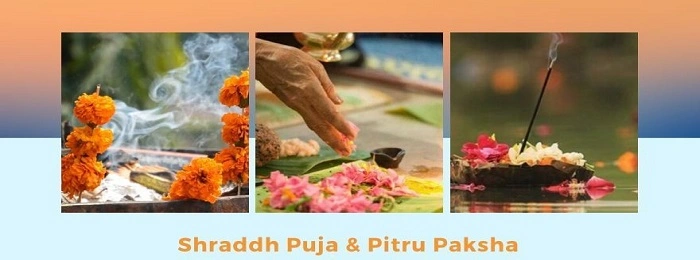
Pitru Paksha, also known as Mahalaya Paksha, is a 15-day period dedicated to honoring ancestors. During this time, elaborate Shradh rituals are performed, including offering Pinda (rice balls), Tarpan (libations), and other offerings to appease departed souls.
-
Vedic Shradh:
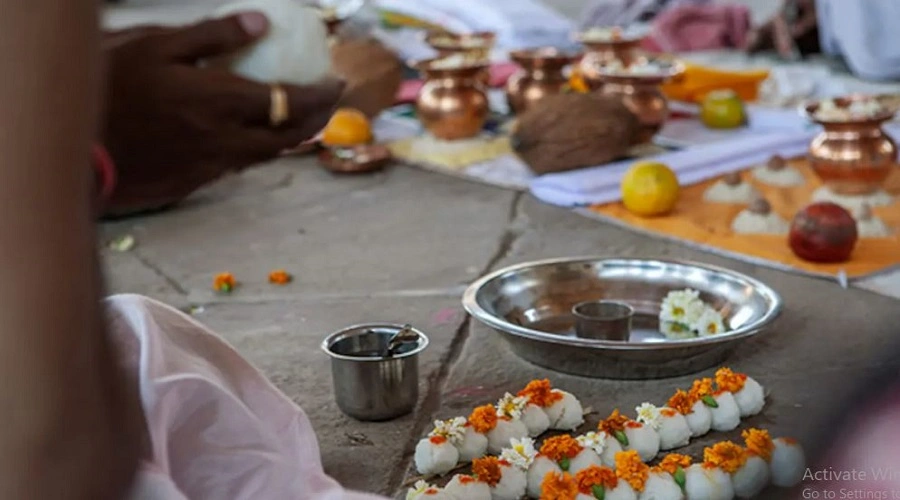
Vedic Shradh rituals are performed according to the guidelines outlined in ancient Vedic scriptures. These rituals often involve elaborate ceremonies conducted by priests, including recitation of Vedic hymns and mantras.
-
Simple Shradh:
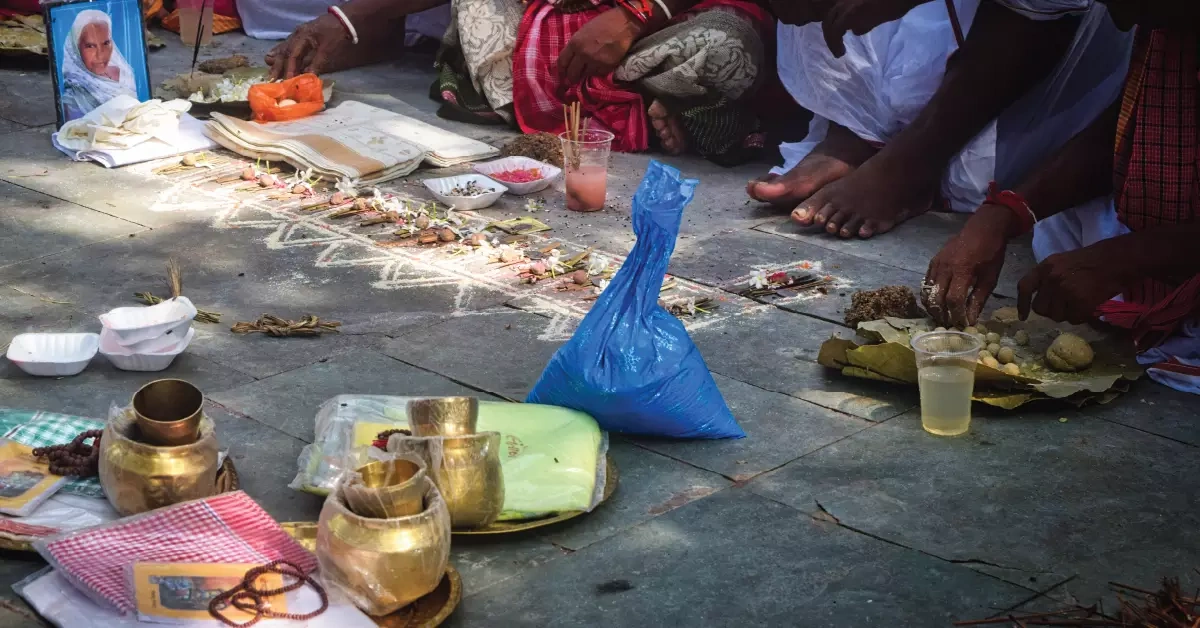
Some families observe simpler Shradh rituals at home, without the involvement of priests. They may offer food, water, and prayers to ancestors in a more straightforward manner, typically following family traditions passed down through generations.
-
Gaya Shradh:
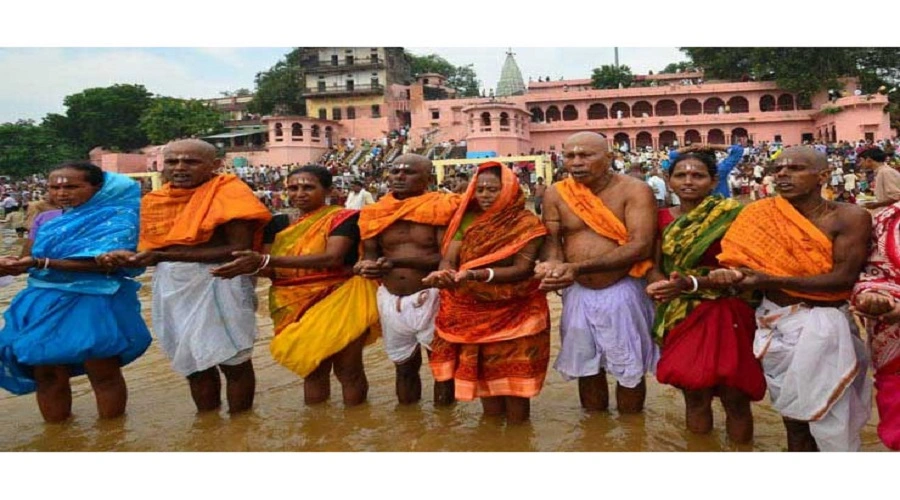
Gaya Shradh involves undertaking a pilgrimage to Gaya in Bihar, which is considered one of the most sacred places for performing Shradh rituals. It is believed that performing Shradh rituals in Gaya brings immense spiritual merit and ensures salvation for the ancestors.
-
Annual Death Anniversary Shradh:
Many families observe the death anniversary (Tithi) of their deceased loved ones by performing Shradh rituals on that particular day each year. These rituals may include offering Pinda, Tarpan, and prayers to honor the departed soul.
-
Ekodishta Shradh:
In this ritual, offerings are made to ancestors from the paternal side of the family. It is performed when there is no male heir in the family to perform the regular Shradh ceremonies.
-
Sapindi Shradh:
Sapindi Shradh is performed when the deceased person was married and has left behind a surviving spouse. It involves offering Pinda to the departed soul while considering them as equal to the gods.
-
Tripindi Shradh:
Tripindi Shradh is performed to honor deceased ancestors who may be suffering in the afterlife due to unfulfilled desires or unresolved issues. It involves offering Pinda in three consecutive stages, representing the three generations of ancestors - father, grandfather, and great-grandfather.
-
The Pitru Paksha, also known as Shradh or Mahalaya Paksha, is a 15-day period in the Hindu lunar calendar dedicated to honoring and paying homage to one's ancestors. During this time, various rituals are performed to offer prayers and offerings to departed ancestors. The specific dates of Pitru Paksha vary each year based on the lunar calendar.
1. Pratipada (first day)
2. Dwitiya (second day)
3. Tritiya (third day)
4. Chaturthi (fourth day)
5. Panchami (fifth day)
6. Shashthi (sixth day)
7. Saptami (seventh day)
8. Ashtami (eighth day)
9. Navami (ninth day)
10. Dashami (tenth day)
11. Ekadashi (eleventh day)
12. Dwadashi (twelfth day)
13. Trayodashi (thirteenth day)
14. Chaturdashi (fourteenth day)
15. Amavasya (new moon day)