Amavasya Shraddha and Death Anniversaries
Amavasya is the term used for the new moon day in the Hindu lunar calendar. It holds significant importance in various Hindu rituals and is considered an auspicious day for performing religious activities, particularly those related to honoring ancestors.
Shraddha is a ritual performed to pay homage to one's ancestors, particularly by offering food to Brahmins and performing certain rites. It is believed that through Shraddha, the souls of the ancestors are appeased and attain peace.
-
Types of Shraddha
Ekodrishta Shraddha: Performed on the 11th day after death.
Sapindikaran Shraddha: Performed on the 12th day or sometimes on the first annual death anniversary.
Parvana Shraddha: Performed annually on the death anniversary.
Significance of Amavasya for Shraddha
Sarva Pitru Amavasya: The Amavasya during the Pitrupaksha (the fortnight dedicated to ancestors, also known as Mahalaya Paksha) is especially significant for performing Shraddha. This day is considered an all-encompassing day for performing rites for all deceased ancestors.
Monthly Amavasya: Each month's Amavasya is also considered suitable for performing Shraddha rituals, especially if the exact date of death is not known.
Death Anniversary Observance
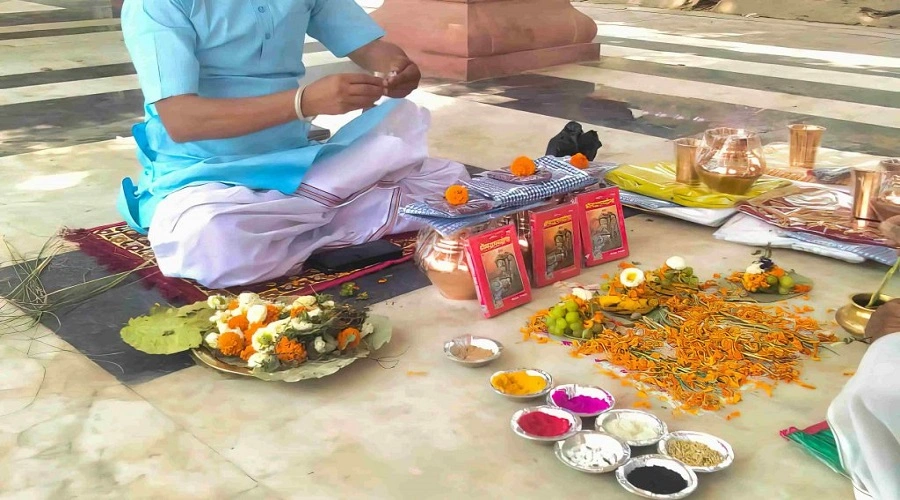
In Hindu culture, the death anniversary of a loved one is often observed with Shraddha rituals. The observance typically includes:
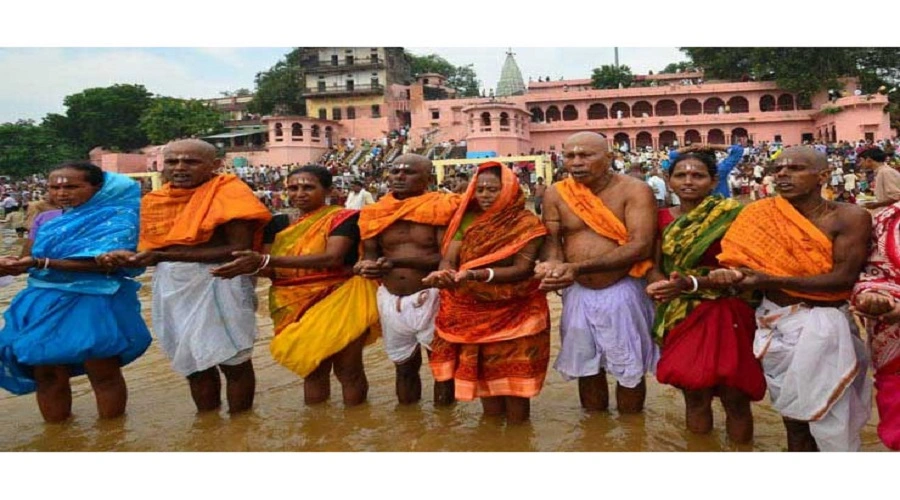
Tarpana: Offering water mixed with sesame seeds to the ancestors.
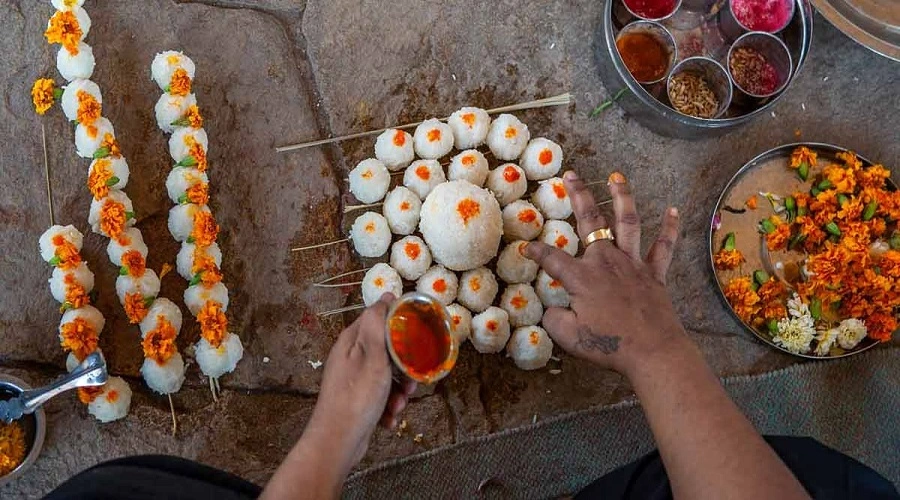
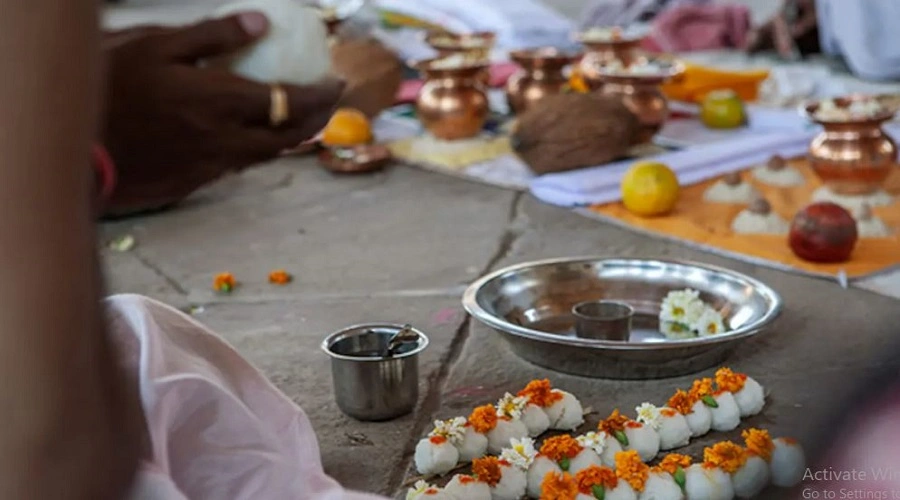
Pinda Daan: Offering rice balls to the departed souls.
Feeding Brahmins and the Poor: It is considered auspicious to feed Brahmins and offer donations to the poor on this day.
Pooja and Homa: Conducting a pooja (prayer ceremony) and homa (fire ritual) for the peace of the departed soul.
The date for the annual Shraddha is usually determined based on the lunar calendar and corresponds to the Tithi (lunar day) on which the person passed away. If the exact date is not remembered or falls during inauspicious times, the Shraddha can be performed on Amavasya or during the Pitrupaksha.
Rituals and Practices
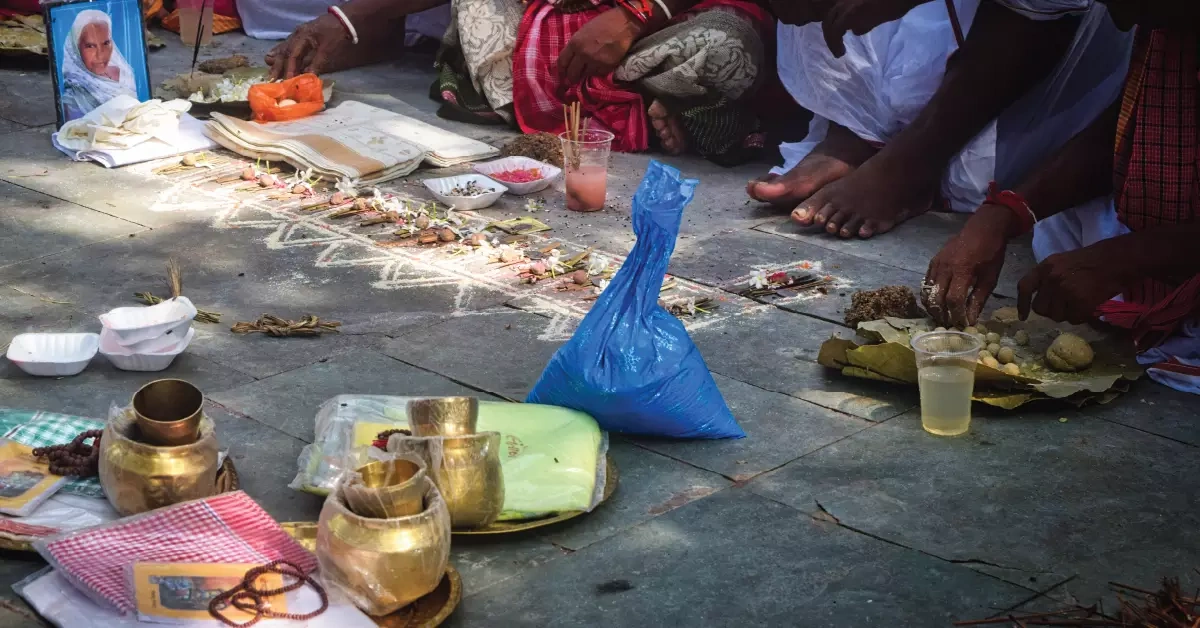
Preparation: The house is cleaned, and a sanctified area is prepared for the rituals.
Invoking Ancestors: The performer of the ritual, usually the eldest male in the family, invokes the ancestors and offers the Tarpana and Pinda Daan.
Feeding: A feast is prepared, and Brahmins are invited to partake in the meal. The food is also offered to cows, dogs, and crows, symbolizing the presence of ancestors.
Charity: Donations are made in memory of the deceased, which can include money, food, and clothes.
Conclusion
Amavasya Shraddha and death anniversary rituals are integral parts of Hindu practices to honor and remember deceased ancestors. These rituals are believed to provide peace to the departed souls and ensure their blessings for the living family members. The observances are marked by a deep sense of respect and gratitude towards the forebears, reflecting the cultural and spiritual values of the Hindu tradition.