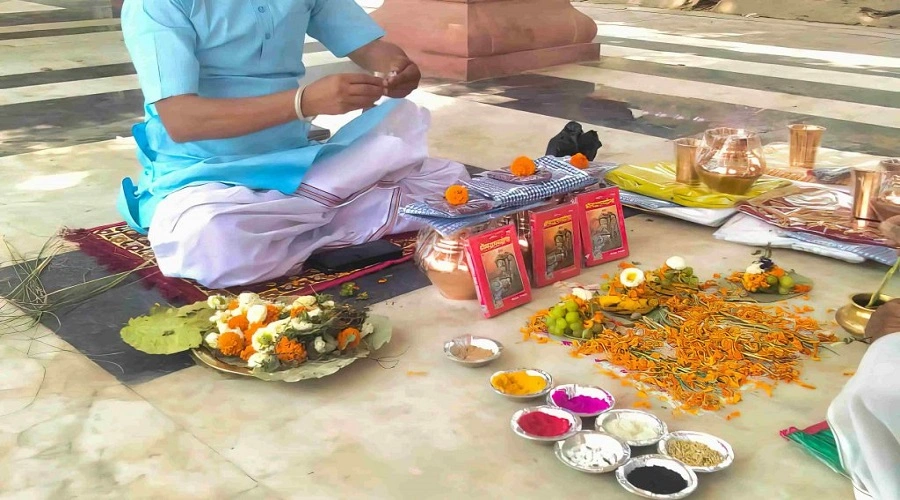
Who Should Perform Pinddaan?
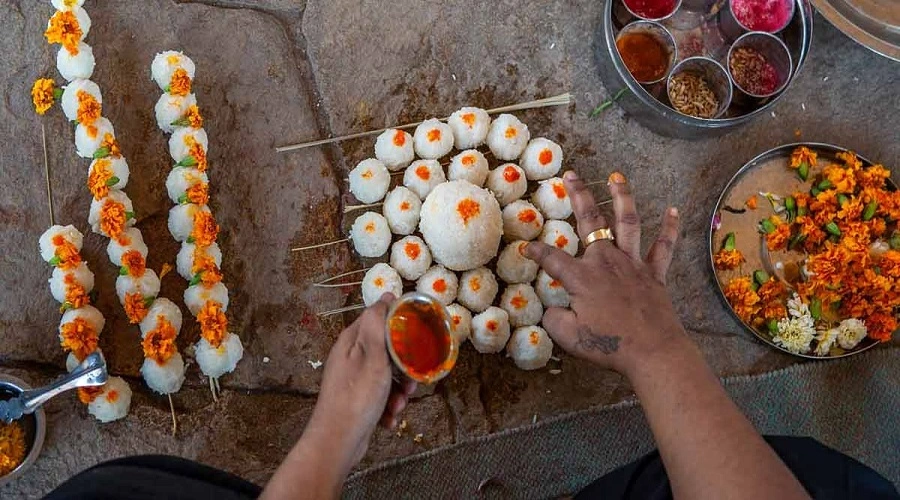
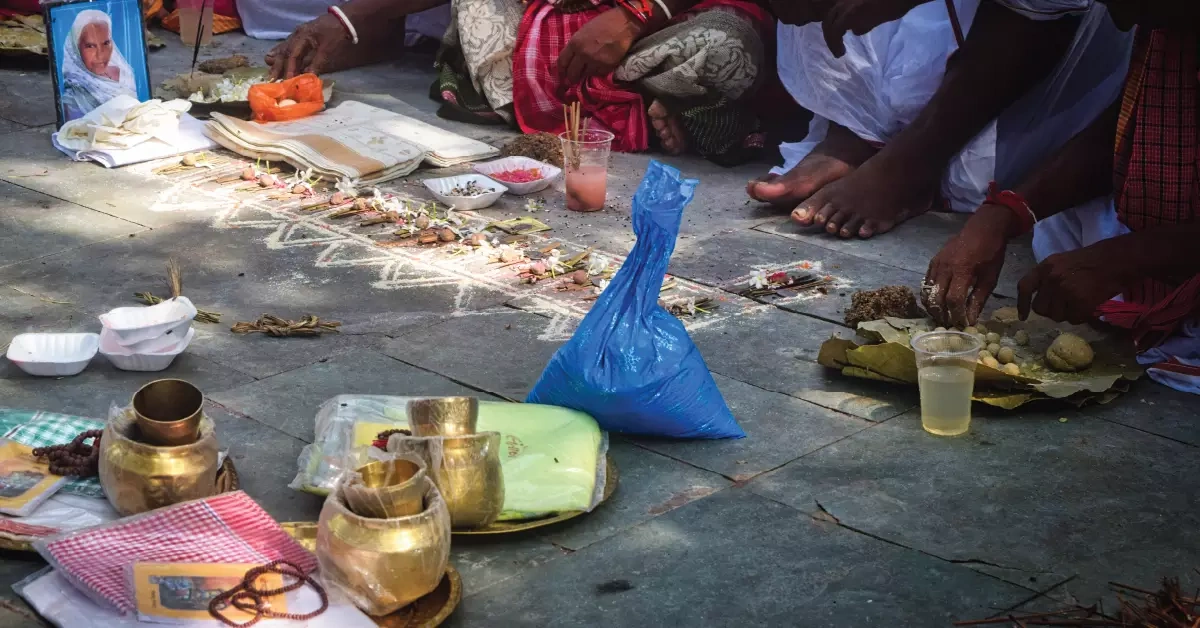
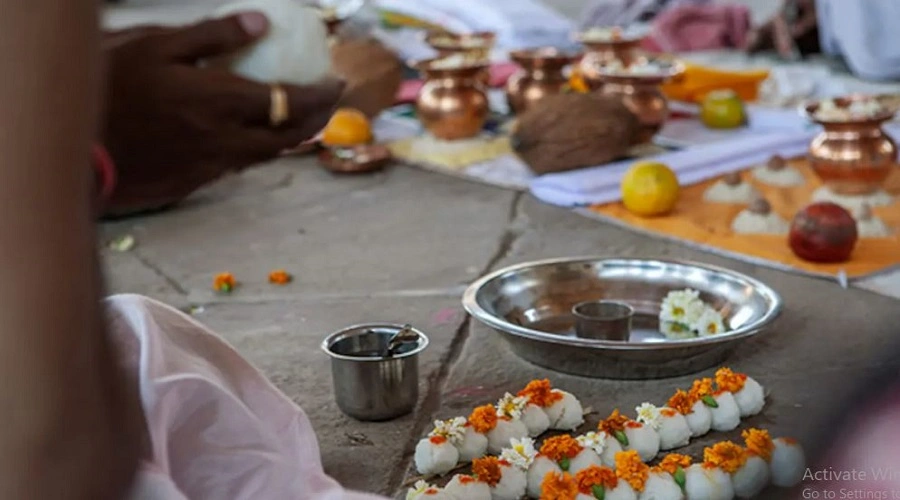
Pinddaan is one of the most sacred rituals in Hinduism, performed to honor departed ancestors and pray for the peace of their souls. According to Hindu scriptures such as the Garuda Purana, Vishnu Purana, and Dharma Shastras, offering Pinddaan helps ancestors attain peace (Moksha) and blesses future generations with prosperity, health, and happiness.
Many people ask, "Who is eligible to perform Pinddaan?" The answer depends on the family relationship, circumstances, and traditional customs.
-
1. The Eldest Son
Traditionally, the eldest son is considered the primary person responsible for performing Pinddaan for deceased parents and ancestors. Hindu scriptures state that the son carries the family lineage and fulfills the sacred duty of honoring the Pitrus (ancestors).
However, if the eldest son is unavailable, the responsibility can pass to another eligible family member.
2. Younger Sons
If the eldest son cannot perform the ritual due to illness, distance, or other valid reasons, a younger son may perform Pinddaan. The intention (Shraddha) and devotion behind the ritual are considered more important than birth order.
3. Grandson
A grandson can perform Pinddaan if the deceased person's son is no longer alive or is unable to perform the ceremony. This continues the family tradition of honoring ancestors.
4. Great-Grandson
In certain situations, a great-grandson may also perform Pinddaan to maintain the ancestral lineage and fulfill religious obligations.
5. Daughters
Modern Hindu scholars and many priests recognize that daughters may perform Pinddaan, especially when there is no son or when the daughter wishes to fulfill her duty toward her parents. Practices can vary depending on family traditions and regional customs, so it is advisable to consult a knowledgeable priest before the ceremony.
6. Wife
A wife may perform certain ancestral rituals for her deceased husband when appropriate according to local customs and with the guidance of a qualified priest.
7. Brother or Close Relative
If the deceased has no children, a brother, nephew, or another close blood relative may perform Pinddaan.
8. Adopted Son
According to Hindu traditions, an adopted son generally has the same religious responsibilities as a biological son, including performing Pinddaan for adoptive parents.
Can Pinddaan Be Performed Without a Son?
Yes. If there is no son, another eligible family member—such as a daughter, grandson, adopted son, brother, or close relative—may perform the ritual according to family traditions and the guidance of a priest. The purpose of Pinddaan is to offer prayers and respect to ancestors with sincerity.
When Should Pinddaan Be Performed?
Pinddaan can be performed on several occasions, including:
During Pitru Paksha (Shradh Paksha)
On the annual death anniversary (Shradh)
On Amavasya (New Moon)
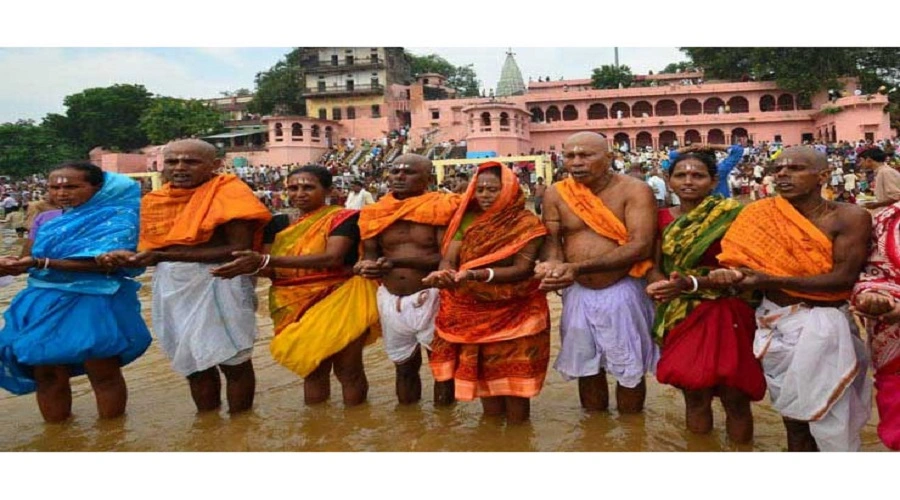
At sacred pilgrimage places such as Varanasi, Gaya, and Prayagraj
After Asthi Visarjan, as advised by the family priest
Where Can Pinddaan Be Performed?
The most sacred places for Pinddaan in India include: Varanasi (Kashi), Gaya (Bihar), Prayagraj (Triveni Sangam), Haridwar, Rameswaram, Siddhpur (Gujarat)
Among these, Gaya and Varanasi are especially revered for ancestral rituals and are visited by thousands of devotees every year.
Benefits of Performing Pinddaan
Offers prayers for the peace of departed souls.
Helps fulfill one's duty toward parents and ancestors.
Seeks blessings for family well-being and prosperity.
Is believed to help reduce ancestral obstacles (Pitru Dosha) according to Hindu traditions.
Preserves family traditions and spiritual values.
Frequently Asked Questions
Can daughters perform Pinddaan?
Yes, many Hindu families and priests permit daughters to perform Pinddaan, particularly when there is no son or under special circumstances.
Can Pinddaan be performed online?
Many religious organizations arrange rituals on behalf of devotees who cannot travel. The exact process and acceptance may vary, so choose a trusted service provider.
Is Pinddaan compulsory?
While not legally or universally mandatory, Hindu traditions consider Pinddaan an important religious duty for honoring ancestors.
Which place is best for Pinddaan?
Gaya is traditionally regarded as the most sacred place for Pinddaan, while Varanasi and Prayagraj are also highly significant for ancestral rituals.
Conclusion
Performing Pinddaan is a sacred expression of gratitude, remembrance, and respect for one's ancestors. Although tradition often assigns this responsibility to the eldest son, Hindu customs also recognize that other eligible family members may perform the ritual when circumstances require. The most important aspect is to perform the ceremony with devotion, sincerity, and proper guidance.